

The Canadian animation industry has emerged as a global powerhouse, with studios in Vancouver, Toronto, and Montreal producing content for major entertainment companies worldwide. As production demands increase and pipelines become more sophisticated, the need for animators skilled in industry-standard asset management has never been greater. Modern animation projects require seamless coordination between multiple departments, precise file organization, and efficient workflow systems that can handle everything from character rigging to environmental assets.

Step-by-Step Guide to Navigating Document Translations
Immigration, Refugees and Citizenship Canada (IRCC) requires all non-English and non-French documents submitted with immigration applications to be accompanied by accurate translations. This fundamental requirement ensures immigration officers can properly assess application materials and make informed decisions about your case. Failing to provide complete, properly certified translations can result in significant delays, application rejection, or requests for resubmission that extend processing times by months.
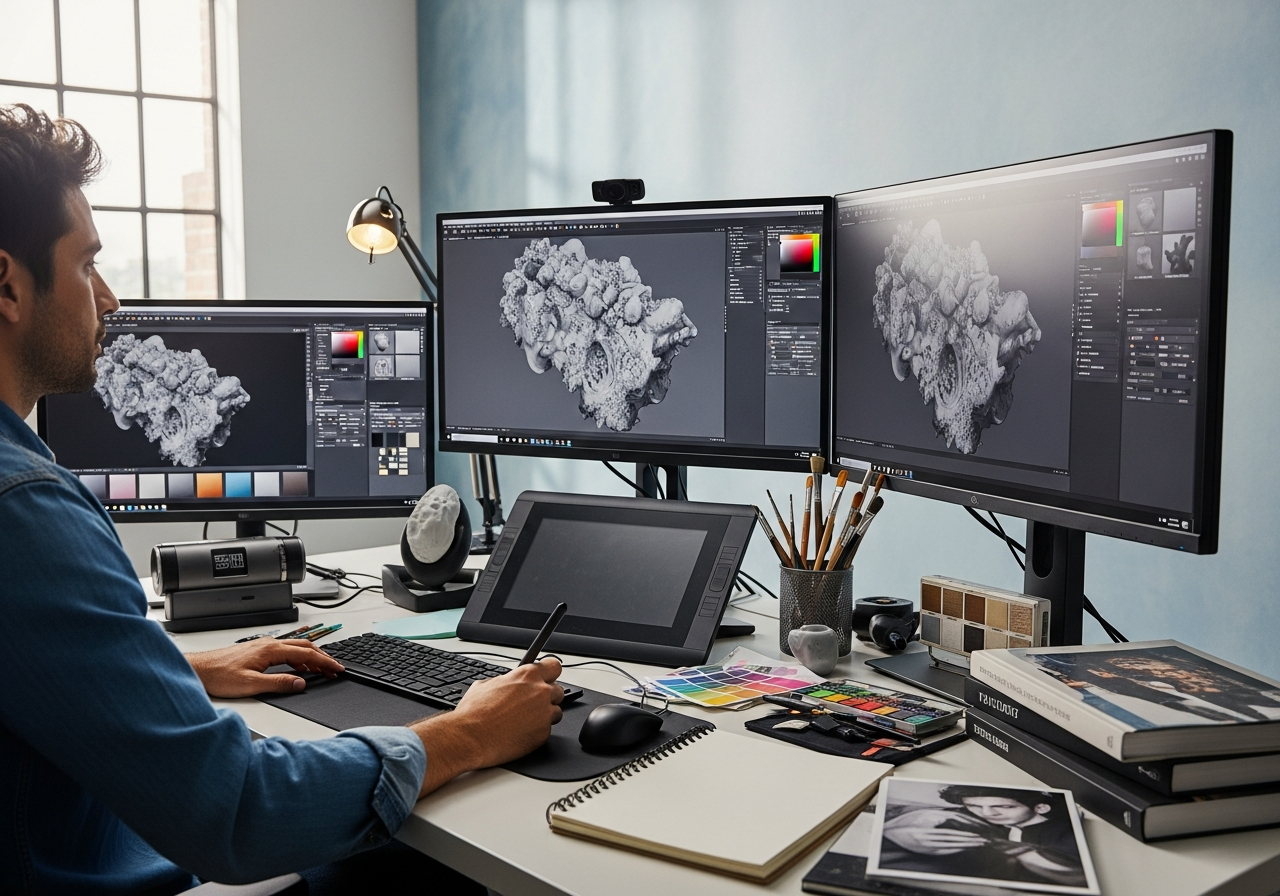
What Studios Look for in Junior Texture Artists
Canada’s VFX and gaming industry is experiencing unprecedented growth, with over 52 junior texture artist positions currently available across Vancouver, Montreal, and Toronto. A junior texture artist role involves creating high-quality surface materials and textures for visual effects, video games, and animation projects, requiring both technical expertise and artistic vision. These positions typically serve as entry points into Canada’s thriving digital entertainment sector, where studios demand professionals who can seamlessly blend creativity with cutting-edge technology.
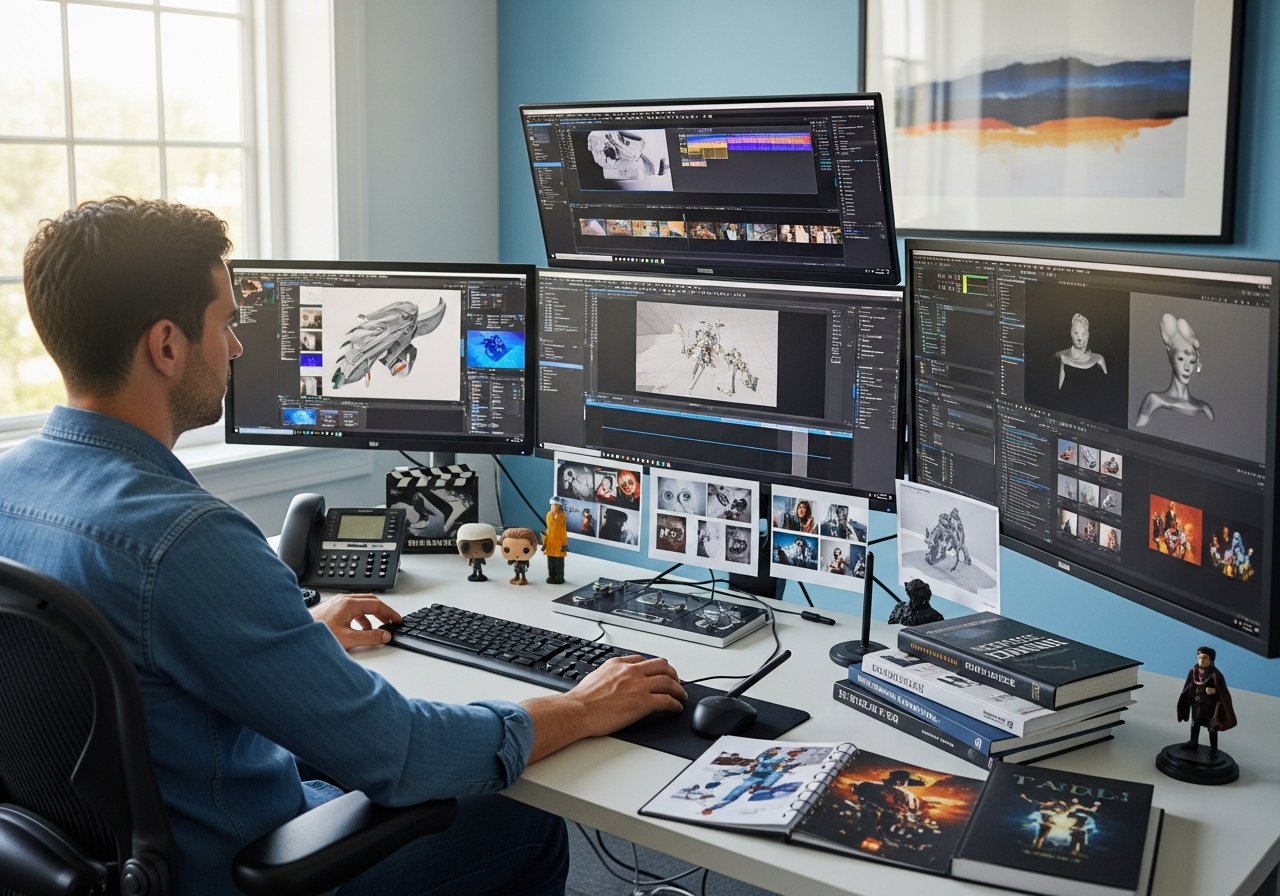
How to Prepare a VFX Compositing Portfolio for Job Applications
Canada has emerged as a global powerhouse in the VFX industry, with Vancouver and Montreal leading the charge as premier destinations for visual effects production. The compositing discipline enjoys particularly high demand in these hubs, where studios require artists skilled in Nuke-heavy workflows and detailed breakdown presentations that showcase technical mastery alongside creative vision.
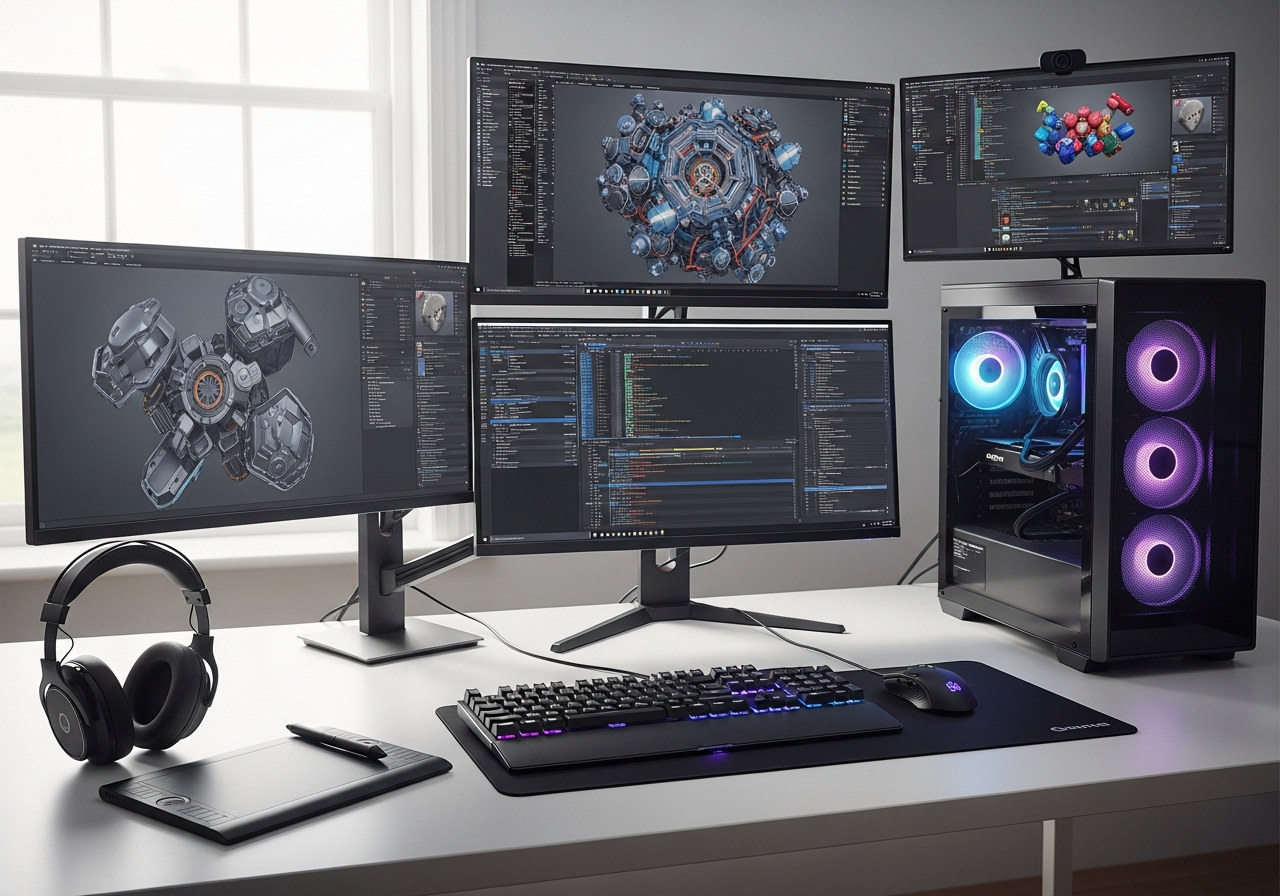
Cost Breakdown of Required Hardware for Game Design Students
Canadian game design students face increasingly challenging hardware costs as 2026 pricing trends continue to impact the market. The rising costs of essential components, particularly memory and graphics cards, have pushed typical gaming PC builds well beyond traditional budgets. For students pursuing degrees in game development, these aren’t just gaming machines – they’re professional workstations that must handle intensive rendering, simulation, and development workflows in Unity, Unreal Engine, and Blender.

Understanding Provincial Nominee Program Streams for Tech Creatives
Canada’s tech sector is experiencing unprecedented growth, creating massive demand for skilled professionals who blend technical expertise with creative innovation. These “tech creatives” – developers, designers, digital artists, and multimedia specialists – are increasingly becoming the backbone of Canada’s digital economy. Unlike traditional tech workers focused solely on coding or system administration, tech creatives bridge the gap between functionality and user experience, making them highly sought after by Canadian employers.

How Film Schools Teach Budgeting and Scheduling for Independent Projects
Independent filmmaking in Canada requires more than creative vision – it demands rigorous financial planning and precise scheduling to navigate the country’s unique production landscape. Canadian film schools have recognized this reality, developing comprehensive curricula that teach budgeting and scheduling as fundamental skills rather than afterthoughts. Unlike traditional film programs that focus primarily on creative aspects, leading Canadian institutions integrate practical project management from day one.